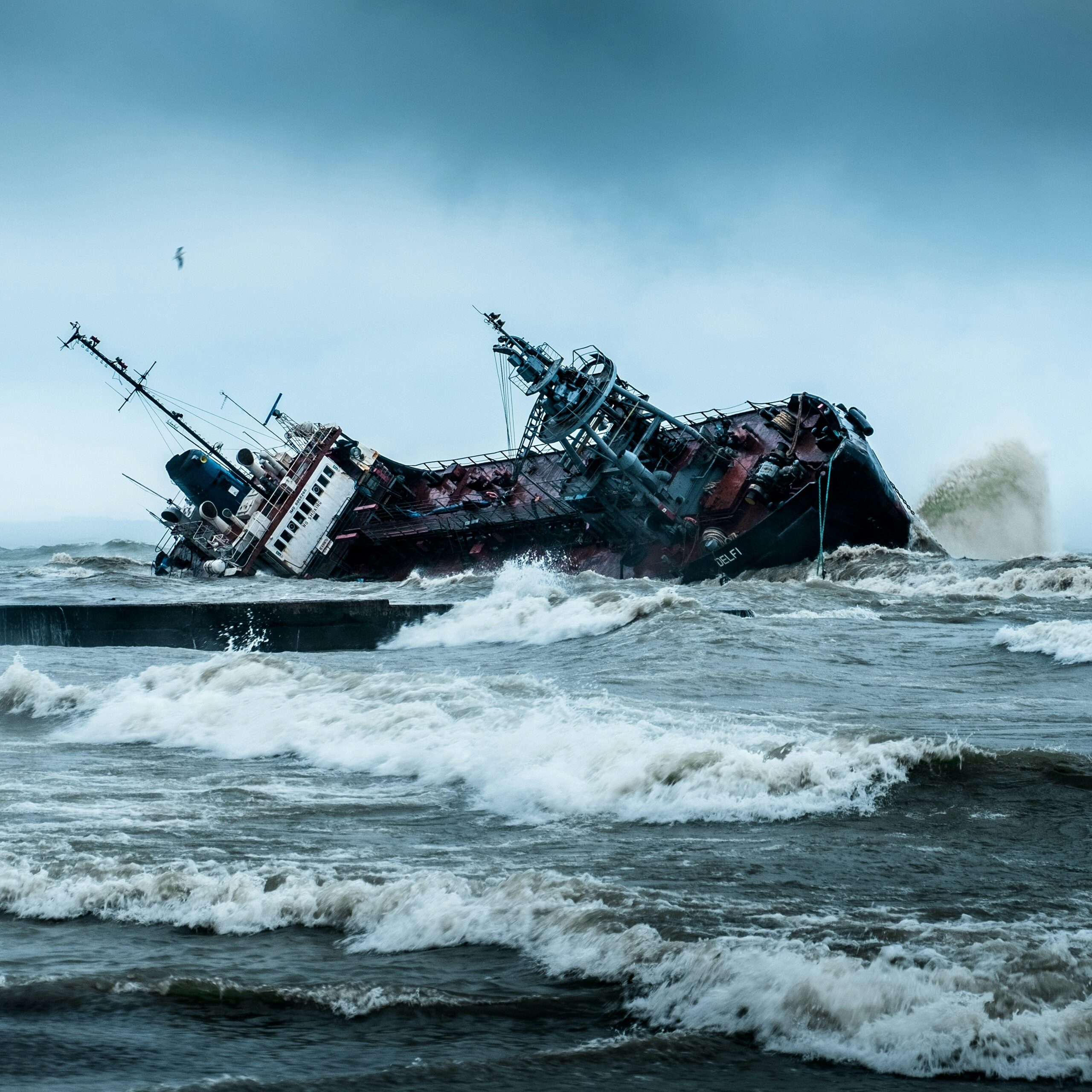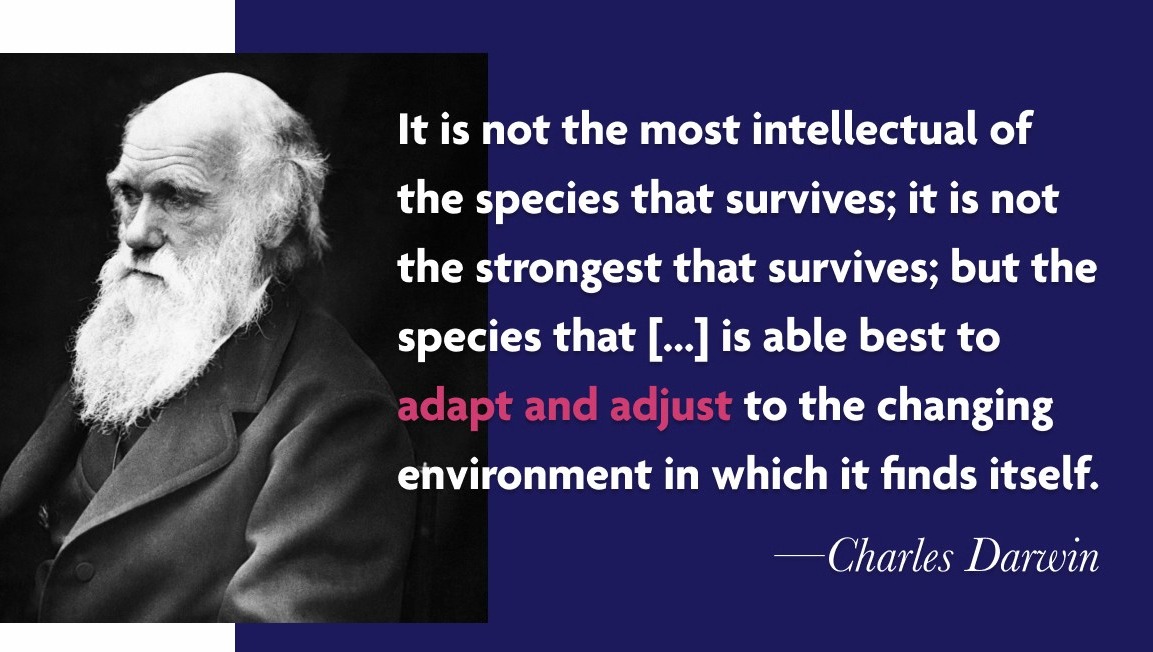

In the last six weeks alone, oil prices crossing $105 a barrel, shipping costs spiking and global growth forecasts being revised downward have put every leadership team across Africa, India and the Middle East through an unplanned stress test. Some leaders leaned in. Some disappeared. Some are still waiting to be told what to do. Select Global Solutions works with CEOs and boards across these markets, and the pattern is consistent: the leaders who perform well in calm conditions are not always the leaders who perform when the environment turns hostile.
Crisis Speed Is the Real Differentiator
Crisis decision-making speed is the single strongest differentiator between organisations that recover quickly from disruption and those that stall. The gap is not strategic, it is human, and it sits in the quality of the people at the top of the business. Deloitte’s Global Human Capital Trends research consistently finds that organisations treating leader resilience as a formal, developable competency, rather than an innate trait, outperform peers on both retention and financial recovery after disruption.
When Alan Mulally arrived at a near-bankrupt Ford facing $12.7bn in annual losses, his first intervention was behavioural, not financial. He introduced weekly Business Plan Review meetings where every executive colour-coded their projects green, yellow or red. When his SVP first displayed a red flag on a potential product failure, Mulally responded with applause, not criticism. Within weeks, every leader was surfacing problems early instead of letting them fester in silence. Ford became the only major US automaker to survive the 2008 financial crisis without a government bailout, turning a $6.6bn profit three years after its near-collapse. The differentiator was not strategy. It was the speed at which truth could travel upward through the organisation.
What the Best Leaders Are Doing Differently
They communicate frequently and with radical transparency, telling their teams what they know and what they do not know. They make swift, reversible decisions rather than waiting for perfect information. And they protect their best people aggressively, because talent lost in a downturn rarely returns. Gallup’s research on managerial resilience reinforces this: psychological safety and managerial trust are the two most powerful predictors of team performance under pressure, more predictive than compensation, seniority or functional expertise.
When COVID-19 hit in March 2020, Satya Nadella faced a defining choice: protect Microsoft as it existed, or accelerate into what it needed to become. He told his leadership team directly not to protect the old Microsoft, personally called hundreds of enterprise CEOs to listen rather than sell, and kept headcount and R&D intact while others cut. Microsoft Teams grew from 32 million to 250 million daily users in eighteen months. Crises do not develop leaders by themselves. They accelerate the development of leaders who have already been given permission to lead.
Building the Capability Before the Next Crisis
Resilience under pressure is not a personality type, it is a learnable capability. It can be cultivated through deliberate practice, coaching and structured exposure to ambiguous decision-making environments, but the development has to be intentional: built into how leaders are selected, how they are developed, and how the organisation creates conditions for them to practise adaptive decision-making before the crisis arrives.
Three Actions for the Next 30 Days
1. Identify your signal performers. Find the three or four leaders performing above expectation under current pressure, and understand precisely why. Their behaviours are the template for your next-generation capability framework.
2. Audit your leadership development agenda. Assess honestly whether your current programmes reflect disruption readiness or simply functional excellence. If ambiguity tolerance, crisis communication and adaptive decision-making are not in the curriculum, it is not fit for the decade ahead.
3. Have the honest ExCo conversation. Surface where the capability gaps are most exposed, not the polished version for the board. Which roles are at risk if the incumbent cracks under sustained pressure? Where is succession depth genuinely thin?
Select Global Solutions runs executive searches and leadership effectiveness programmes built specifically for senior teams operating under pressure across Africa, India and the Middle East, so the bench is ready before the next shock, not scrambling during it.
Related: CEO & Leadership Succession | Board Advisory Services | Executive Search | Our Methodology
Frequently Asked Questions
What is a crisis-ready leadership bench?
It is a leadership team that has been deliberately assessed and developed for resilience under pressure, not just functional performance in stable conditions. It means knowing, before a crisis hits, which leaders can make swift decisions with incomplete information and hold their teams together.
Can resilience under pressure actually be developed, or is it just personality?
Research from Deloitte and Gallup both indicate resilience is a learnable capability, built through deliberate practice, coaching and structured exposure to ambiguous decision-making, not a fixed personality trait some leaders simply have and others do not.
What is the fastest way for a board to test how prepared its leadership bench really is?
Hold an honest ExCo conversation that surfaces the real capability gaps, not the version prepared for the board. Identify which roles would be most exposed if the incumbent struggled under sustained pressure, and where succession depth is genuinely thin.