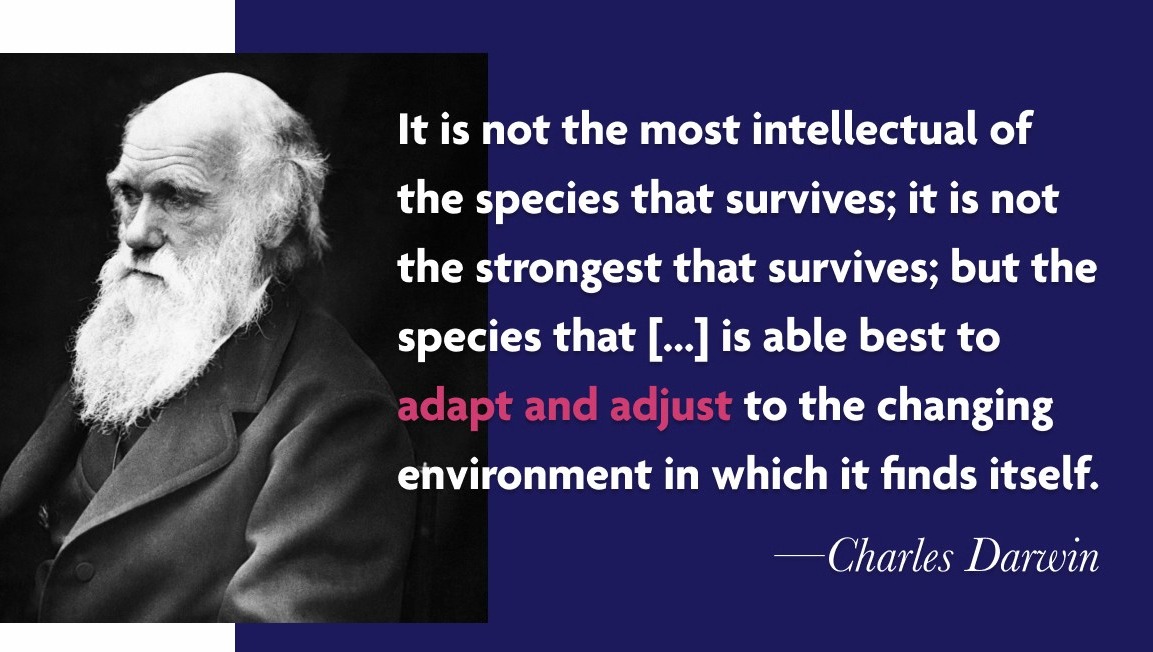

If your top leader left tomorrow, would you be ready? Too many organisations treat succession planning like a distant chore, only to scramble when change hits. The world’s most resilient companies know that future-proofing leadership is not a one-time event, it is a continuous, strategic process, and organisations with robust, ongoing succession plans consistently outperform peers, weathering leadership changes without missing a beat.
Three Steps to Build a Pipeline That Lasts
Make assessment a ritual, not a rarity. Map out a composition grid for every key role, tracking names, term dates and must-have skills, and use 360-degree feedback and regular skills assessments to spot rising stars and identify gaps before they become emergencies.
Personalise development, no cookie-cutter leaders. Craft tailored growth plans that pair high-potential leaders with mentors, assign stretch projects and invest in targeted training, and document clear action steps for each future leader so they are genuinely ready when opportunity knocks.
Set timelines and spell out authority. Define when and how successors take on new responsibilities, and be transparent about the decision-making criteria involved. Clarity prevents confusion and builds trust during transitions.
Pitfalls to Dodge
Waiting until it is too late: three to five years is the gold standard lead time for planning key leadership roles. Only focusing on the top: every critical position deserves a plan, not just the CEO’s chair. And ignoring outside talent: benchmark internal candidates against external prospects to ensure the organisation is getting the best person, not just the most familiar one.
Make Succession Planning Part of the DNA
Succession planning should be an ongoing, dynamic process, regularly reviewed, updated and championed by senior leaders, not a document reviewed once and filed away. As one Harvard Business School expert put it, having a succession strategy is as important as, if not more important than, having a corporate strategy. A proactive, forward-thinking succession plan secures an organisation’s future and ensures seamless leadership transitions and long-term business continuity.
Select Global Solutions’s CEO and leadership succession practice helps boards across Africa, India and the Middle East build and pressure-test these pipelines well before a transition becomes urgent.
Related: CEO & Leadership Succession | Board Advisory Services | Executive Search | Our Methodology
Frequently Asked Questions
How far in advance should succession planning start for a key role?
Three to five years is generally considered the gold standard lead time for planning succession into a critical leadership role, allowing enough time to identify, develop and properly test a successor before the transition becomes urgent.
Is succession planning only relevant to the CEO position?
No. Every critical position in an organisation deserves a succession plan, not just the CEO’s chair. Boards that focus succession planning only at the very top often discover thin benches in other critical roles at the worst possible moment.
What is the biggest mistake boards make in succession planning?
Treating it as a document reviewed once and filed away rather than an ongoing, actively managed process. Boards that treat succession planning with the same rigour as financial planning consistently manage transitions more smoothly than those that do not.